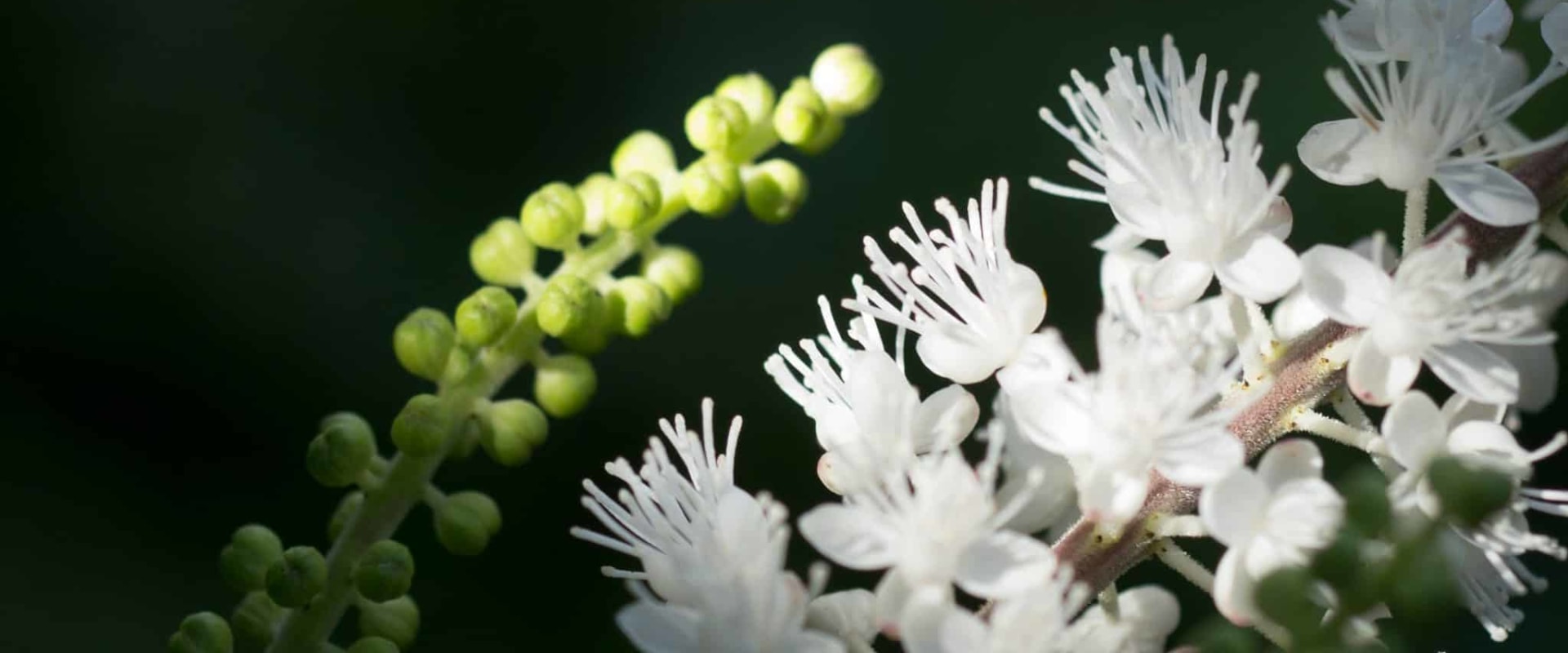
Black cohosh, scientifically known as Actaea racemosa, is a perennial plant native to North America that has garnered significant attention for its potential benefits in alleviating menopausal symptoms. Traditionally used by Native American tribes for various ailments, this herbal remedy has made its way into modern wellness practices, particularly among women seeking natural alternatives to hormone replacement therapy. As menopause brings about a myriad of physical and emotional changes, many women are turning to black cohosh in hopes of finding relief from symptoms such as hot flashes, night sweats, and mood swings. The historical use of black cohosh dates back centuries, where it was employed not only for menopausal discomfort but also for conditions like menstrual irregularities and inflammation. Its roots have been steeped in folklore and traditional medicine, often celebrated for its purported ability to balance hormonal fluctuations.
In recent years, scientific research has begun to explore these claims more rigorously, leading to a growing body of evidence that suggests black cohosh may indeed offer some benefits for those experiencing the challenges of menopause. However, the journey of black cohosh from traditional remedy to modern supplement is not without controversy. While many women report positive outcomes, others express concerns regarding its safety and efficacy. Questions about potential side effects and interactions with other medications have sparked debates within the medical community. As we delve deeper into the benefits and controversies surrounding black cohosh, it becomes essential to understand both its historical significance and the current scientific landscape that shapes its use today.
What is Black Cohosh?
Black cohosh
, scientifically known as Actaea racemosa or Cimicifuga racemosa, is a perennial flowering plant native to North America.
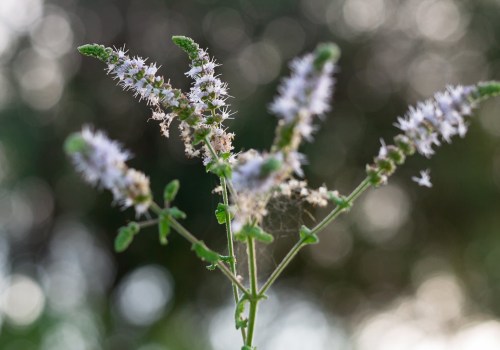
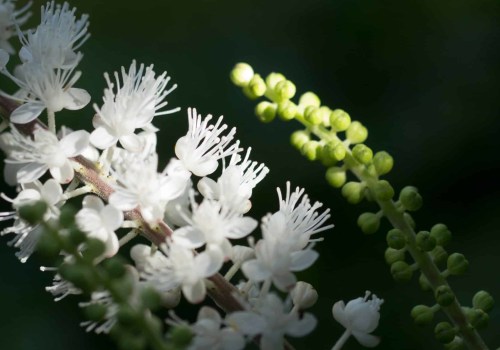
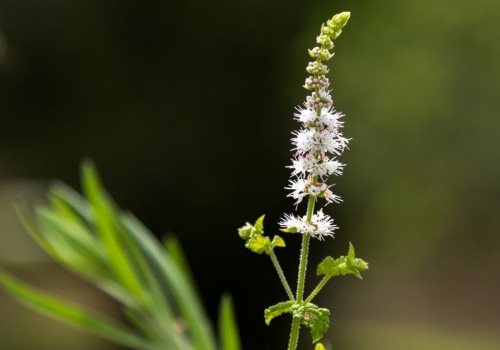
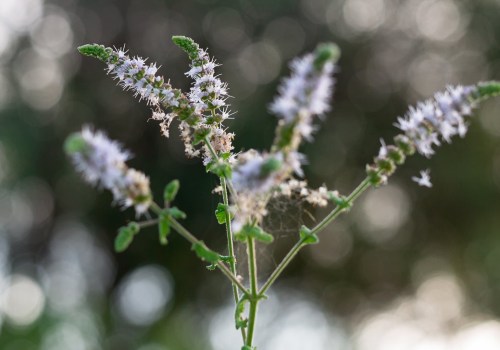
It typically thrives in the rich, moist woodlands of the eastern United States and Canada. The plant can grow up to 4 feet tall and features distinctive, feathery leaves that are deeply lobed. Its flowers are small, white to cream-colored, and bloom in elongated clusters during late spring to early summer, attracting various pollinators. The roots and rhizomes of black cohosh are the primary parts used for medicinal purposes. Traditionally, Native American tribes utilized black cohosh for a variety of ailments, including menstrual irregularities, labor pains, and menopausal symptoms.
The plant was often prepared as a tea or tincture, showcasing its versatility in traditional herbal medicine. Historically, black cohosh has been recognized for its potential benefits in alleviating symptoms associated with menopause. In the 19th century, it gained popularity among European settlers who adopted its use for similar purposes. The plant's reputation as a remedy for hot flashes and mood swings has persisted into modern herbal practices. In contemporary times, black cohosh is widely available as an herbal supplement in various forms, including capsules, tablets, and liquid extracts. Its significance in the realm of natural health continues to grow as more women seek alternatives to hormone replacement therapy (HRT) for managing menopausal symptoms. Despite its long history of use, it is essential to approach black cohosh with caution.
While many women report positive outcomes from its use, scientific research on its efficacy and safety is ongoing. As with any herbal supplement, consulting with a healthcare professional before starting treatment is advisable to ensure it aligns with individual health needs.
The Science Behind Black Cohosh: How It Works
Understanding the mechanism of action of black cohosh is essential for grasping how this herbal remedy may alleviate menopausal symptoms. The primary active compounds in black cohosh are thought to be triterpene glycosides, which include substances like actein and cimicifugoside. These phytochemicals are believed to interact with various receptors in the body, particularly those related to hormonal regulation. One of the key ways black cohosh may work is through its influence on serotonin receptors.Research suggests that certain components of black cohosh can mimic the effects of serotonin, a neurotransmitter that plays a crucial role in mood regulation and temperature control. By binding to these receptors, black cohosh may help reduce the frequency and intensity of hot flashes, a common symptom experienced during menopause. Additionally, black cohosh has been shown to have anti-inflammatory properties. This can be particularly beneficial for women experiencing joint pain or discomfort during menopause. The anti-inflammatory effects may also contribute to an overall sense of well-being, potentially alleviating mood swings and irritability. Another important aspect of black cohosh's action is its potential effect on the hypothalamus, the part of the brain responsible for regulating body temperature and hormonal balance.
By influencing this area, black cohosh may help stabilize hormonal fluctuations that lead to menopausal symptoms. Despite these promising mechanisms, it is crucial to note that individual responses to black cohosh can vary significantly. Factors such as dosage, duration of use, and individual biochemistry all play a role in how effective this herbal remedy may be for each person. Therefore, while some women report significant relief from symptoms like hot flashes and mood swings, others may not experience the same benefits. In conclusion, the science behind black cohosh reveals a complex interplay of phytochemicals that may offer relief from menopausal symptoms. However, further research is needed to fully understand its mechanisms and optimize its use for those seeking natural alternatives to hormone replacement therapy.
Benefits of Black Cohosh for Menopausal Symptoms
Black cohosh has gained attention as a natural remedy for managing menopausal symptoms, particularly due to its potential benefits in alleviating discomfort associated with this transitional phase in a woman's life.Many women experience a range of symptoms during menopause, including hot flashes, night sweats, mood swings, and sleep disturbances. As a result, the search for effective treatments has led to increased interest in herbal supplements like black cohosh. Research indicates that black cohosh may offer several benefits for menopause. One of the most significant advantages is its ability to reduce the frequency and intensity of hot flashes. A systematic review of clinical trials published in the journal Menopause found that women who took black cohosh experienced a notable decrease in hot flash episodes compared to those who received a placebo.
This finding suggests that black cohosh could be an effective alternative for women seeking relief without resorting to hormone replacement therapy (HRT). In addition to hot flashes, black cohosh may also help improve mood and emotional well-being during menopause. Some studies have reported that women taking black cohosh experienced fewer mood swings and less anxiety compared to those not using the supplement. This effect may be attributed to the herb's influence on serotonin receptors, which play a crucial role in regulating mood. Furthermore, black cohosh has been shown to improve sleep quality among menopausal women. Sleep disturbances are common during this period, often exacerbated by night sweats and hormonal fluctuations.
Research has indicated that women who incorporate black cohosh into their regimen report better sleep patterns and overall restfulness. While the effectiveness of black cohosh is supported by various studies, it is essential to consider individual responses to the supplement. Not every woman will experience the same level of relief from menopausal symptoms, and factors such as dosage and duration of use can influence outcomes. Therefore, consulting with a healthcare professional before starting any new supplement is advisable. In summary, the potential benefits of black cohosh for managing menopausal symptoms are backed by emerging research. Its ability to alleviate hot flashes, enhance mood stability, and improve sleep quality makes it a compelling option for many women navigating this challenging life stage.
However, as with any treatment, it is crucial to approach its use thoughtfully and under professional guidance.
Controversies and Concerns Surrounding Black Cohosh
The use of black cohosh as a natural remedy for menopausal symptoms has sparked significant debate among healthcare professionals and researchers. While many women seek its benefits for alleviating hot flashes and mood swings, concerns about its safety and potential side effects have emerged, leading to a complex landscape of opinions. One of the primary controversies surrounding black cohosh involves its side effects. Although many users report positive outcomes, some have experienced adverse reactions. Commonly reported side effects include:- Gastrointestinal issues such as nausea and stomach upset
- Headaches
- Dizziness
- Allergic reactions, including rashes or itching
- Breast tenderness
Although rare, cases of liver injury associated with black cohosh consumption have been documented. Symptoms to watch for include:
- Abdominal pain
- Jaundice (yellowing of the skin or eyes)
- Dark urine
- Fatigue or weakness
This inconsistency can lead to confusion among consumers and healthcare providers alike. In light of these controversies, it is crucial for individuals considering black cohosh to consult with a healthcare professional. A thorough discussion about personal health history, current medications, and potential risks can help ensure safe usage. As research continues to evolve, staying informed about the latest findings will be essential for making educated decisions regarding this herbal supplement.
Safety Considerations When Using Black Cohosh
When considering the use of black cohosh for managing menopausal symptoms, it is crucial to be aware of various safety considerations. While many individuals may find relief from symptoms such as hot flashes and mood swings, there are specific groups of people who should approach this herbal supplement with caution.Who Should Avoid Black Cohosh?
Certain individuals may be at a higher risk of experiencing adverse effects from black cohosh.It is generally advised that the following groups avoid its use:
- Pregnant or Nursing Women: Black cohosh may stimulate uterine contractions, posing risks during pregnancy. Additionally, its effects on breastfeeding are not well-studied.
- Individuals with Liver Conditions: There have been reports linking black cohosh to liver injury, making it potentially dangerous for those with pre-existing liver issues.
- People with Hormone-Sensitive Conditions: Those with a history of hormone-sensitive cancers, such as breast cancer, should avoid black cohosh due to its estrogen-like effects.
Potential Interactions with Medications
Black cohosh can interact with various medications, which may alter their effectiveness or increase the risk of side effects. Some notable interactions include:- Hormonal Therapies: Combining black cohosh with hormone replacement therapy (HRT) may lead to unpredictable hormonal fluctuations.
- Anticoagulants: There is a potential risk that black cohosh could affect blood clotting, which is particularly concerning for individuals taking blood thinners.
- Liver Metabolized Drugs: Since black cohosh may impact liver function, it could interfere with medications that are metabolized by the liver, leading to increased toxicity or reduced efficacy.
They can also monitor for any potential side effects or interactions during its use. In summary, while black cohosh may offer benefits for some women experiencing menopausal symptoms, safety should always be a priority. Understanding who should avoid it and recognizing potential drug interactions can help ensure a safer approach to managing menopause.
How to Use Black Cohosh: Dosage and Forms
When considering the use of black cohosh for managing menopausal symptoms, understanding the appropriate dosage and forms available is crucial for maximizing its potential benefits while minimizing risks. Here’s a comprehensive guide on how to effectively use black cohosh.Recommended Dosage
The typical dosage of black cohosh varies depending on the form of the supplement and individual health needs. Most studies suggest a daily dosage ranging from 20 to 80 milligrams of standardized extract.It is essential to follow the manufacturer's instructions or consult with a healthcare professional for personalized recommendations.
Forms of Black Cohosh Supplements
Black cohosh is available in several forms, each with its own advantages:- Capsules: These are one of the most popular forms, offering convenience and precise dosing. Capsules typically contain powdered black cohosh root or standardized extracts.
- Tinctures: Liquid extracts are another option, allowing for quick absorption. Tinctures can be added to water or taken directly, but dosing may vary based on concentration.
- Teas: Herbal teas made from black cohosh root can be soothing and enjoyable. However, it may be challenging to determine the exact dosage in tea form, so it’s advisable to follow specific brewing instructions.
- Powders: Black cohosh powder can be mixed into smoothies or other beverages.
This form allows for flexibility in dosing but requires careful measurement.
How to Take Black Cohosh
To ensure optimal absorption and effectiveness, consider the following tips when taking black cohosh:- Consistency: For best results, take black cohosh consistently at the same time each day.
- With Food: Some individuals may experience stomach upset when taking herbal supplements on an empty stomach. Taking black cohosh with food can help mitigate this issue.
- Avoid Mixing with Alcohol: It is advisable to avoid alcohol while taking black cohosh, as it may increase the risk of liver-related side effects.
- Monitor Your Body's Response: Keep track of any changes in symptoms or side effects. If you experience adverse reactions, discontinue use and consult a healthcare provider.
By following these guidelines, you can effectively incorporate black cohosh into your regimen for managing menopausal symptoms.
FAQs About Black Cohosh and Menopause
As interest in black cohosh continues to grow, many individuals have questions regarding its use, effectiveness, and safety in managing menopausal symptoms. Below are some of the most frequently asked questions about black cohosh and its role in menopause.What is black cohosh?
Black cohosh, scientifically known as Actaea racemosa, is a perennial plant native to North America. Traditionally, it has been used by Native Americans for various ailments, particularly for women's health issues, including menstrual discomfort and menopausal symptoms.How does black cohosh help with menopausal symptoms?
Research suggests that black cohosh may help alleviate symptoms such as hot flashes, night sweats, and mood swings associated with menopause. It is believed to work by interacting with serotonin receptors in the brain, which can help regulate body temperature and mood.Is black cohosh safe to use?
While many women report positive effects from using black cohosh, safety concerns have been raised.Some studies indicate potential risks, such as liver damage or interactions with certain medications. It is crucial to consult a healthcare professional before starting any new supplement, especially if you have pre-existing health conditions or are taking other medications.
What are the common side effects of black cohosh?
Some users may experience mild side effects, including:- Stomach upset
- Headaches
- Dizziness
- Allergic reactions
How long does it take for black cohosh to work?
The time it takes for black cohosh to show effects can vary from person to person. Some women may notice improvements within a few weeks, while others might require several months of consistent use. It is important to be patient and monitor your symptoms over time.Can I take black cohosh with other medications?
Black cohosh may interact with certain medications, particularly those affecting hormone levels or liver function.Always discuss your current medications with your healthcare provider before adding black cohosh to your regimen. In summary, while black cohosh may offer benefits for managing menopausal symptoms, it is essential to approach its use with caution and informed guidance from a healthcare professional.
Conclusion: Weighing the Benefits and Risks of Black Cohosh
In summary, the use of black cohosh as a natural remedy for menopausal symptoms presents both potential benefits and risks that warrant careful consideration. As we have explored throughout this article, black cohosh has been traditionally utilized for its ability to alleviate various symptoms associated with menopause, particularly hot flashes and mood swings. Many women have reported positive outcomes, leading to its popularity as an herbal supplement. However, it is crucial to recognize that the effectiveness of black cohosh can vary significantly among individuals. While some studies suggest that it may be as effective as hormone replacement therapy in reducing hot flashes, others indicate that not all users experience the same level of relief.This variability can be attributed to factors such as dosage, individual health conditions, and the specific formulation of the supplement. Moreover, the safety profile of black cohosh raises important concerns. Although many women tolerate it well, there have been reports of adverse effects, including liver injury and gastrointestinal disturbances. These risks highlight the importance of consulting with a healthcare professional before starting any new supplement regimen, especially for those with pre-existing health conditions or those taking other medications. To make an informed decision about using black cohosh, consider the following:
- Consultation: Always discuss with your healthcare provider to evaluate if black cohosh is appropriate for your specific situation.
- Quality Assurance: Choose high-quality products from reputable manufacturers that undergo third-party testing to ensure safety and efficacy.
- Monitor Symptoms: Keep track of any changes in your symptoms or side effects after starting black cohosh to assess its impact on your health.