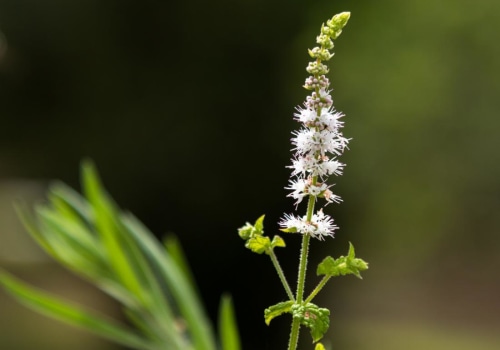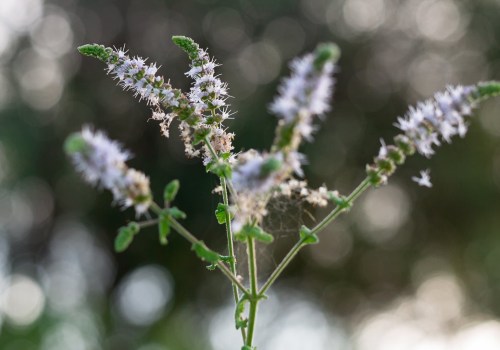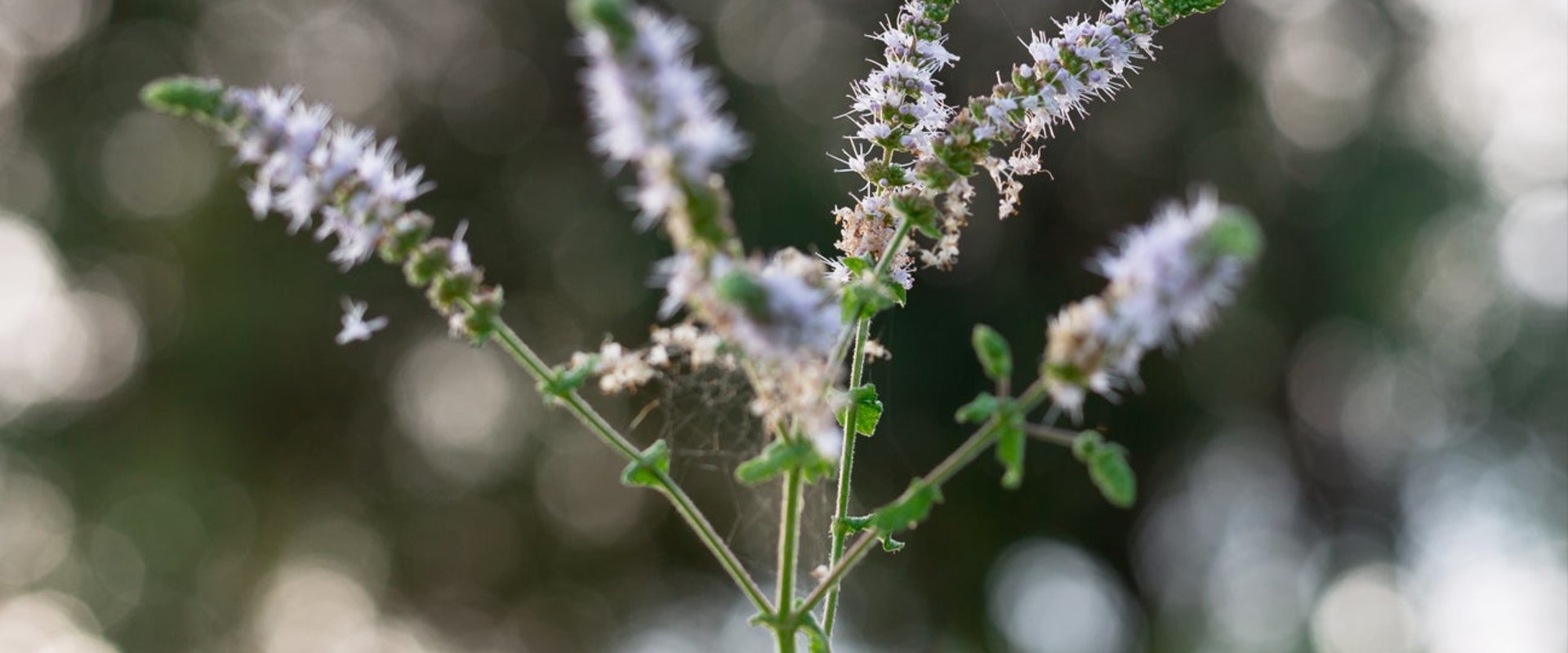
Black cohosh, scientifically known as Black cohosh, scientifically known as Actaea racemosa, is a perennial plant native to North America, particularly found in the eastern regions of the United States and Canada. This herb has a rich history of use among Native American tribes, who utilized it for various medicinal purposes, including the treatment of menstrual discomfort and menopausal symptoms. The roots and rhizomes of black cohosh are the parts most commonly used in herbal remedies, often prepared as extracts, capsules, or teas. Traditionally, black cohosh has been celebrated for its potential to alleviate symptoms associated with menopause, such as hot flashes, night sweats, and mood swings. Its popularity surged in the late 20th century as more women sought natural alternatives to hormone replacement therapy (HRT).
The plant contains several active compounds, including triterpene glycosides and phenolic acids, which are believed to interact with estrogen receptors in the body. This interaction may help to balance hormone levels and provide relief from menopausal discomfort. Despite its long-standing use in herbal medicine, the scientific community remains divided on the efficacy and safety of black cohosh. While some studies suggest that it can effectively reduce menopausal symptoms, others indicate that more research is needed to fully understand its benefits and potential risks. As we delve deeper into the benefits of black cohosh, it is essential to consider both its historical context and the current scientific landscape surrounding this intriguing herb.
The Benefits of Black Cohosh
Black cohosh, a perennial herb native to North America, has garnered attention for its potential health benefits, particularly among women experiencing menopause.This herb is often sought after for its ability to alleviate various menopausal symptoms, making it a popular choice for those seeking natural remedies. One of the most notable benefits of black cohosh is its effectiveness in reducing hot flashes. Hot flashes are sudden feelings of warmth that can cause discomfort and disrupt daily activities. Research suggests that black cohosh may help regulate body temperature by influencing serotonin receptors, which play a role in thermoregulation. By modulating these receptors, black cohosh may provide relief from the intensity and frequency of hot flashes. In addition to hot flashes, many women report that black cohosh helps alleviate night sweats.
Night sweats can lead to sleep disturbances, resulting in fatigue and irritability during the day. By potentially stabilizing hormonal fluctuations, black cohosh may contribute to a more restful night's sleep, allowing women to wake up feeling refreshed. Another significant benefit of black cohosh is its potential to improve mood and emotional well-being during menopause. Many women experience mood swings, anxiety, and depression during this transitional phase. Some studies indicate that black cohosh may have a positive effect on mood regulation, possibly due to its influence on neurotransmitters like serotonin and dopamine. Furthermore, black cohosh is believed to support vaginal health by addressing dryness and discomfort associated with menopause.
This can enhance sexual health and overall quality of life for women experiencing these changes. While the health benefits of black cohosh are promising, it is essential to approach its use with caution. Consulting with a healthcare professional before starting any new supplement regimen is crucial, especially for those with pre-existing health conditions or those taking other medications. In summary, black cohosh offers several potential benefits for women navigating the challenges of menopause. From reducing hot flashes and night sweats to improving mood and supporting vaginal health, this herb may serve as a valuable ally during this significant life transition.
How Black Cohosh Works: The Science Behind the Herb
Black cohosh, a herb traditionally used for managing menopausal symptoms, contains several phytochemicals that may play a crucial role in its effectiveness. Understanding how black cohosh works involves delving into its complex chemical composition and the potential mechanisms through which it influences hormonal balance. One of the primary active components of black cohosh is triterpene glycosides, which are believed to mimic the effects of estrogen in the body.This is particularly significant for women experiencing menopause, as estrogen levels naturally decline during this phase, leading to symptoms such as hot flashes, night sweats, and mood swings. By binding to estrogen receptors, these compounds may help alleviate some of these symptoms, although the exact mechanism remains a topic of ongoing research. Another important group of compounds found in black cohosh are phenolic acids. These compounds have antioxidant properties that can help combat oxidative stress in the body. Oxidative stress is known to contribute to various health issues, including hormonal imbalances.
By reducing oxidative stress, black cohosh may indirectly support overall hormonal health. Additionally, black cohosh contains isoflavones , which are plant-derived compounds that can also exhibit estrogen-like activity. Isoflavones are often studied for their potential benefits in managing menopausal symptoms and improving bone health. The presence of these compounds in black cohosh suggests that it may offer a multifaceted approach to alleviating menopausal discomfort. Despite these promising findings, it is essential to note that the scientific community has not reached a consensus on the efficacy of black cohosh. Some studies indicate positive outcomes, while others show minimal or no benefits.
This inconsistency highlights the need for further research to fully understand how black cohosh works and its long-term effects on hormonal balance. In summary, while black cohosh contains several phytochemicals that may influence hormonal balance and alleviate menopausal symptoms, more comprehensive studies are necessary to clarify its mechanisms of action and establish definitive guidelines for its use.
Recommended Dosage and Forms of Black Cohosh
When considering the use of black cohosh for alleviating menopausal symptoms, understanding the appropriate dosage and forms is crucial for safety and effectiveness. The recommended dosage can vary based on the specific form of black cohosh you choose to use.Recommended Dosage
Most studies suggest a dosage range of 40 to 160 milligrams of standardized black cohosh extract per day. This dosage is typically divided into two doses taken throughout the day. For instance, a common regimen might involve taking 20 to 80 milligrams in the morning and the same amount in the evening.However, it is essential to consult with a healthcare provider before starting any new supplement regimen.
Forms of Black Cohosh
Black cohosh is available in several forms, each with its own advantages:- Capsules and Tablets: These are among the most popular forms due to their convenience and precise dosing. They often contain standardized extracts, ensuring consistent potency.
- Tinctures: Liquid extracts of black cohosh can be taken directly or mixed with water or juice. Tinctures may offer faster absorption compared to capsules.
- Teas: Some people prefer herbal teas made from dried black cohosh root. While this form may be less concentrated, it can still provide benefits when consumed regularly.
-
Extracts: Concentrated extracts are available and may provide a more potent dose of active compounds.
These should be used with caution and under professional guidance.
How to Take Black Cohosh
When taking black cohosh, it is important to follow these guidelines:- Start with a lower dose: If you are new to black cohosh, begin with a lower dose to assess your body's response before gradually increasing it.
- Consistency is key: For optimal results, take black cohosh consistently at the same times each day.
- Avoid long-term use: Experts recommend not exceeding six months of continuous use without consulting a healthcare professional.
- Monitor for side effects: Be aware of any adverse reactions, such as gastrointestinal discomfort or allergic reactions, and discontinue use if necessary.
Potential Risks and Side Effects of Long-Term Use
While black cohosh is often praised for its potential benefits in alleviating menopausal symptoms, it is essential to consider the risks associated with its long-term use. Understanding these risks can help individuals make informed decisions about incorporating this herbal supplement into their daily routine. One of the primary concerns regarding the long-term use of black cohosh is its potential impact on liver health. Some studies have indicated that prolonged consumption may lead to liver damage or exacerbate pre-existing liver conditions.Symptoms of liver issues can include fatigue, jaundice (yellowing of the skin and eyes), dark urine, and abdominal pain. If you experience any of these symptoms while taking black cohosh, it is crucial to discontinue use and consult a healthcare professional immediately. Another significant risk involves the interaction between black cohosh and various medications. This herbal supplement can potentially interfere with the effectiveness of certain drugs, particularly those metabolized by the liver. For instance, individuals taking medications such as anticoagulants, hormone therapies, or antidepressants should exercise caution.
It is advisable to discuss any plans to use black cohosh with a healthcare provider, especially if you are currently on medication. Moreover, there are concerns about the hormonal effects of black cohosh. Some research suggests that it may mimic estrogen in the body, which could pose risks for women with hormone-sensitive conditions such as breast cancer. Therefore, women with a history of hormone-related cancers should avoid using black cohosh unless under strict medical supervision. In summary, while black cohosh may offer relief from menopausal symptoms for some individuals, it is vital to weigh these potential benefits against the risks associated with long-term use. Regular monitoring by a healthcare professional can help mitigate these risks and ensure safe usage.
Consulting Healthcare Professionals: When to Seek Advice
When considering the incorporation of black cohosh into your daily routine, it is crucial to consult with a healthcare professional.This step is essential for ensuring both safety and efficacy, particularly given the complexities surrounding herbal supplements. Here are some specific scenarios where seeking medical advice is particularly important:
- Existing Health Conditions: If you have pre-existing health issues, such as liver disease or hormone-sensitive conditions, consulting a doctor is vital. Black cohosh may interact with these conditions, potentially exacerbating symptoms or leading to complications.
- Current Medications: If you are taking prescription medications, especially those related to hormone therapy or anticoagulants, it’s essential to discuss your plans to use black cohosh with your healthcare provider. Some studies suggest that black cohosh can interact with medications like tamoxifen, which is used in breast cancer treatment.
- Pregnancy and Breastfeeding: Women who are pregnant or breastfeeding should avoid black cohosh unless under strict medical supervision. The herb can influence hormone levels, which may pose risks to both the mother and the developing baby.
-
Allergic Reactions: If you have a history of allergies to plants in the buttercup family, which includes black cohosh, it’s crucial to consult a healthcare professional before use.
Allergic reactions can range from mild to severe.
- Long-term Use Considerations: While some individuals may find short-term relief from menopausal symptoms with black cohosh, long-term use raises concerns about potential liver damage and other side effects. A healthcare provider can help assess the risks versus benefits based on your individual health profile.
Black Cohosh and Pregnancy: Safety Considerations
When it comes to black cohosh and pregnancy, safety is a paramount concern.This herbal supplement, often used to alleviate menopausal symptoms, raises significant questions regarding its effects on pregnant women and their developing babies. While some herbal remedies are considered safe during pregnancy, black cohosh is not one of them. One of the primary reasons for caution is that black cohosh contains phytochemicals that can influence hormone levels. These compounds may potentially disrupt the delicate hormonal balance necessary for a healthy pregnancy. For instance, black cohosh has been shown to mimic estrogen in some studies, which could lead to complications such as premature labor or miscarriage if taken without medical supervision. Moreover, the effects of black cohosh on fetal development are not well understood.
There is limited research on how this herb interacts with pregnancy hormones or its long-term effects on a child’s health. Therefore, it is crucial for pregnant women to avoid using black cohosh unless specifically directed by a healthcare professional. For those who are breastfeeding, the use of black cohosh also poses risks. The active compounds in the herb can pass into breast milk, potentially affecting the nursing infant. As with pregnancy, the lack of comprehensive studies on the safety of black cohosh during lactation means that caution is advised. In summary, while some herbal supplements may offer benefits during pregnancy, black cohosh should be approached with caution.
If you are pregnant or planning to become pregnant, it is essential to consult with your healthcare provider before taking any herbal supplements. They can provide guidance tailored to your specific health needs and help you explore safer alternatives for managing symptoms related to menopause or other conditions. Ultimately, prioritizing the health and safety of both mother and child should always come first when considering any form of treatment during pregnancy.
Alternatives to Black Cohosh for Menopausal Relief
For those who are hesitant about using black cohosh for menopausal relief, there are several alternative herbal remedies and treatment options available. These alternatives can provide effective symptom management while catering to individual preferences and health considerations.1.Red Clover
Red clover
is a popular herbal remedy that contains phytoestrogens, which are plant-based compounds that mimic estrogen in the body. This can help alleviate hot flashes and night sweats associated with menopause.
Studies suggest that red clover may improve overall menopausal symptoms, making it a viable alternative for those seeking natural relief.
2.Dong Quai
Dong quai
, often referred to as "female ginseng," has been used in traditional Chinese medicine for centuries. It is believed to help balance hormones and improve blood circulation, which may ease menopausal symptoms such as mood swings and fatigue. However, it is essential to consult with a healthcare provider before using dong quai, especially if you are taking blood-thinning medications.
3.Sage
Sage
is another herb known for its potential benefits in managing menopausal symptoms. It has been traditionally used to reduce hot flashes and excessive sweating.
Sage can be consumed as a tea or taken in supplement form, providing a natural option for those looking to manage their symptoms.
4.Evening Primrose Oil
Evening primrose oil
is rich in gamma-linolenic acid (GLA), an essential fatty acid that may help alleviate breast tenderness and mood swings during menopause. Many women find that incorporating evening primrose oil into their daily routine helps improve their overall well-being during this transitional phase.
5.Lifestyle Changes
In addition to herbal remedies, making certain lifestyle changes can significantly impact menopausal symptoms. Consider the following:- Diet: A balanced diet rich in fruits, vegetables, whole grains, and healthy fats can support hormonal balance.
- Exercise: Regular physical activity can help reduce stress, improve mood, and alleviate some physical symptoms of menopause.
- Meditation and Yoga: Mindfulness practices can help manage stress and anxiety, which are common during menopause.
Frequently Asked Questions About Black Cohosh
As interest in herbal remedies grows, many people have questions about black cohosh and its potential benefits.Below are some of the most frequently asked questions regarding this herb, along with clear answers to help clarify common misconceptions.
What is black cohosh used for?
Black cohosh is primarily known for its use in alleviating menopausal symptoms, such as hot flashes, night sweats, and mood swings. Some women also use it to manage premenstrual syndrome (PMS) and menstrual irregularities. However, while many anecdotal reports suggest its effectiveness, scientific evidence remains mixed.Is black cohosh safe to take every day?
While some individuals may take black cohosh daily for short periods, health experts generally advise against long-term use. The North American Menopause Society does not recommend using it for more than a year due to potential side effects and the lack of comprehensive studies on its long-term safety.Can black cohosh cause side effects?
Yes, black cohosh can cause side effects in some individuals.Common side effects include gastrointestinal issues, headaches, and dizziness. More serious concerns involve potential liver damage, which has been reported in rare cases. It is crucial to consult a healthcare provider before starting any new supplement.
Does black cohosh interact with medications?
Black cohosh may interact with certain medications, particularly those that affect hormone levels or liver function. If you are taking prescription medications or have underlying health conditions, it is essential to discuss the use of black cohosh with your doctor.Are there any myths about black cohosh?
- Myth: Black cohosh is a miracle cure for menopause.
- Fact: While it may help some women, results vary widely, and it is not a guaranteed solution.
- Myth: Black cohosh can be taken without any precautions.
- Fact: It should be used cautiously and under medical supervision, especially for those with existing health issues.
Always prioritize safety and consult healthcare professionals when considering herbal supplements.
Conclusion: Weighing the Pros and Cons of Daily Black Cohosh Use
In summary, the decision to incorporate black cohosh into your daily routine is not one to be taken lightly. While this herbal remedy has garnered attention for its potential benefits, particularly in alleviating menopausal symptoms such as hot flashes and night sweats, it is essential to weigh both the advantages and disadvantages carefully.Pros of Daily Black Cohosh Use:
- Symptom Relief: Many users report significant relief from menopausal symptoms, which can greatly enhance quality of life.
- Natural Alternative: For those seeking non-hormonal options, black cohosh offers a plant-based alternative that may appeal to individuals wary of synthetic medications.
- Variety of Forms: Available in capsules, tinctures, and teas, black cohosh can be easily integrated into various lifestyles.
Cons of Daily Black Cohosh Use:
- Lack of Comprehensive Research: Despite some positive studies, the overall body of research remains inconclusive regarding its long-term efficacy and safety.
- Liver Health Concerns: There are potential risks associated with liver health, which necessitates caution and consultation with a healthcare provider.
- Possible Drug Interactions: Black cohosh may interact with certain medications, making it crucial to discuss its use with a doctor if you are on other treatments.